GARDEN GUIDE
When and how to plant an olive tree in Ayvalık
The right planting season for olive saplings on the North Aegean coast, choosing the spot, preparing the hole and the care that gets a young tree through its first summer.
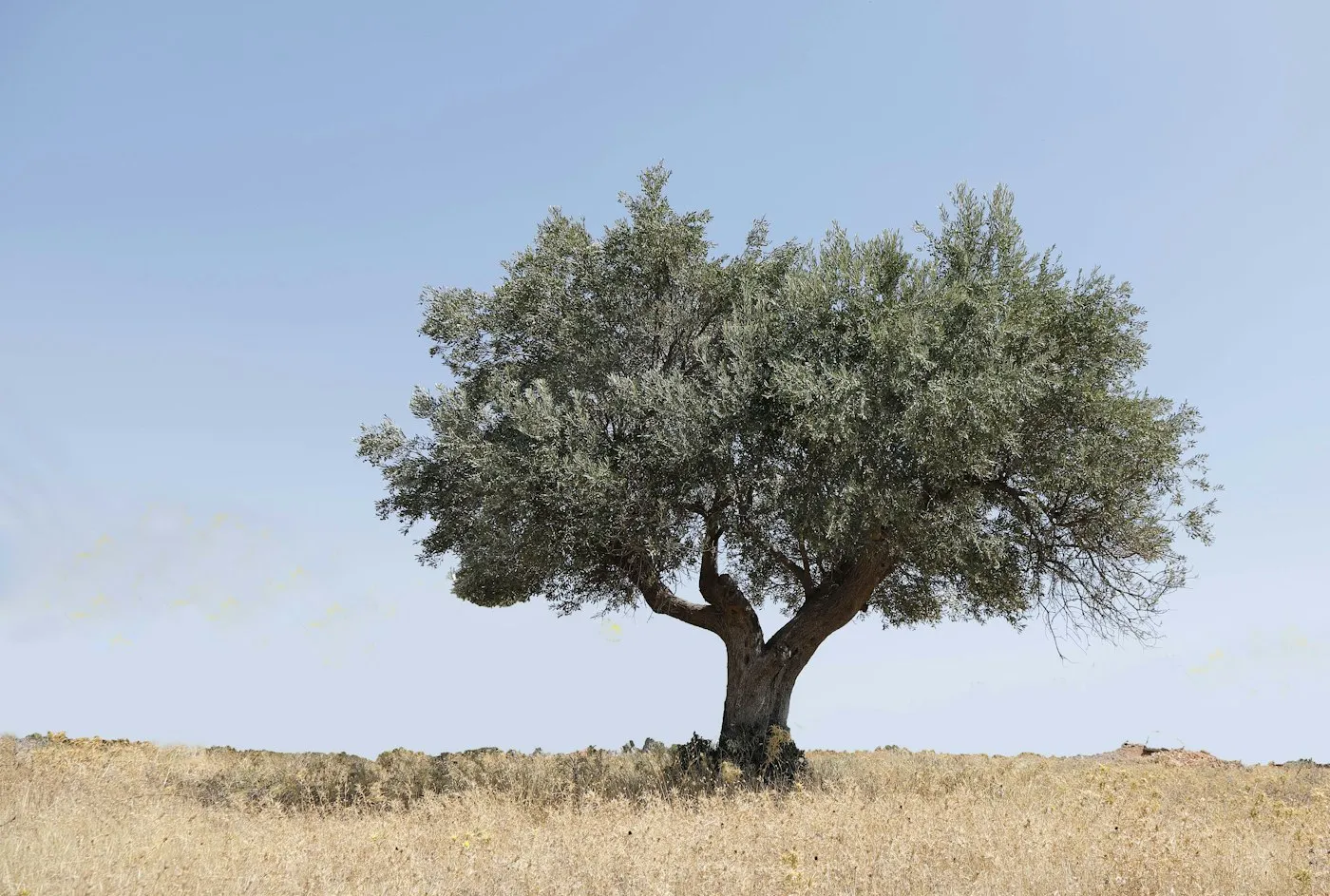
The olive is the emblem of Ayvalık and the Gulf of Edremit. Hot, dry summers and mild, wet winters are exactly the climate this tree likes. Even so, whether a young sapling becomes a tree that crops for decades depends largely on how it is planted and how its first two summers go. Here are the basic steps for planting one or a few olive saplings in your garden.
When to plant
On the Aegean coast the best planting window runs from the first autumn rains to early spring: roughly November to March.
- Autumn planting (November–December): The soil is still warm and winter rains do most of the watering. Roots spread slowly through winter and the sapling enters its first summer better prepared. For coastal places with mild winters, such as Ayvalık, this is usually the best choice.
- Spring planting (February–March): If your garden sits in a hollow where cold air settles, or on high, windy ground, it is safer to plant once the frost risk has eased. The first summer then needs more regular watering.
Container-grown saplings can technically go in at most times of year, but planting in the scorching heat of July and August stresses the tree and calls for very frequent watering. Do not plant when the ground is frozen or waterlogged either.
Choosing the spot
Olives want full sun. Pick an open place with direct sun for most of the day. In too much shade the tree grows sparse and bears little fruit.
The olive’s real enemy is not drought but standing water. It does well even in chalky, stony or poor soil, but its roots rot if they stay wet for long. Avoid places where water pools for days after rain. Low hollows where cold air collects are also risky for young saplings; young olives are more sensitive to frost than old trees.
Over time an olive builds a wide crown. For a single garden tree, keep it a few metres from house walls, pools and pipe runs, and leave room for the grown tree.
Preparing the hole
- Dig a hole at least twice as wide as the sapling’s root ball. At garden scale, about 50–60 cm wide and deep is enough in most cases.
- Loosen the bottom and sides of the hole with a mattock; a compacted layer stops roots from spreading.
- On heavy clay, do not fill the hole with sand: water would collect in it. Instead, plant on a gentle mound slightly above the surrounding soil.
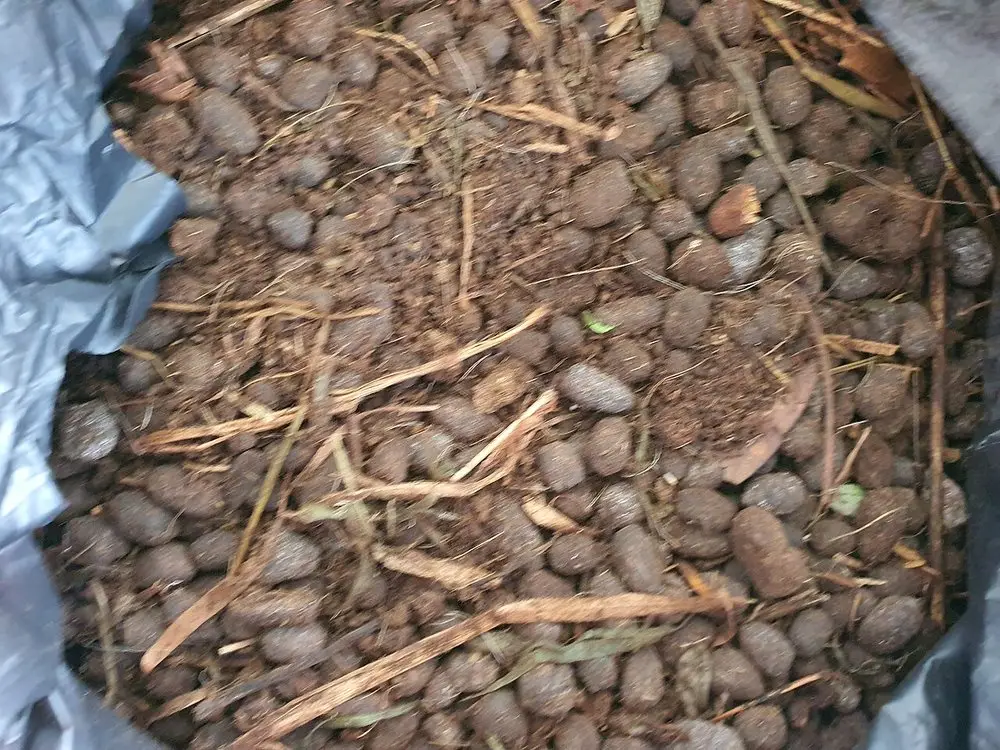
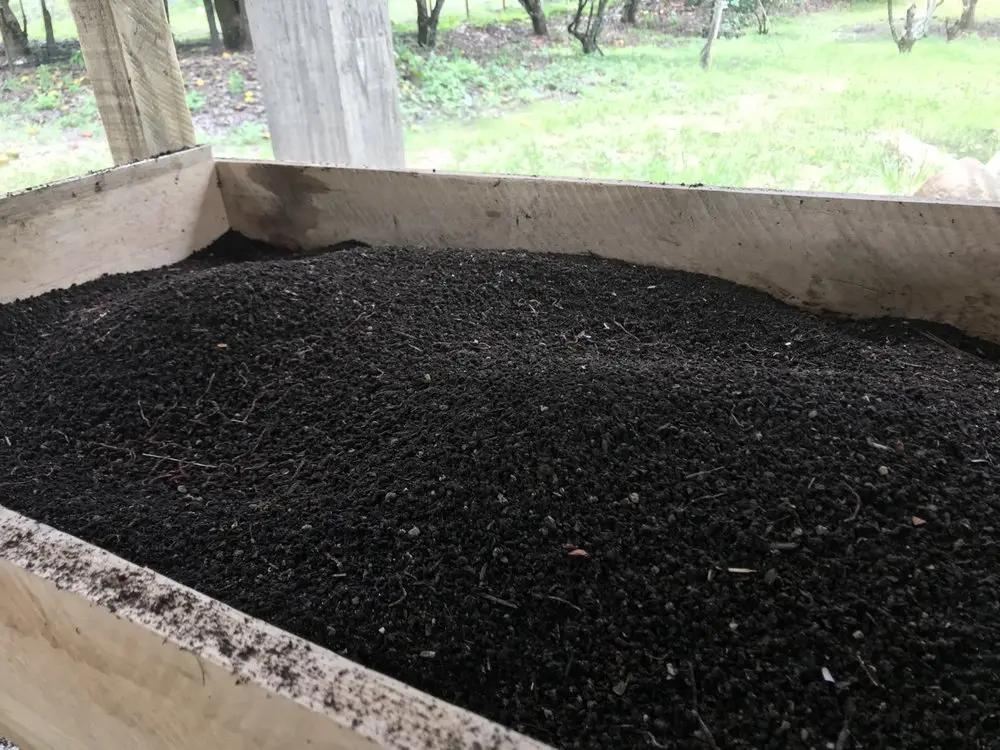
- Mix the soil you dug out with well-rotted manure or compost. Do not use fresh manure where it will touch the roots directly.
Planting, step by step
- A few hours before planting, water the sapling thoroughly in its pot.
- If a stake is needed, drive it into the hole before the sapling, on the side of the prevailing wind. A stake driven in afterwards can damage the root ball.
- Ease the sapling out of its pot. If roots circle the bottom of the pot, gently tease them apart by hand; do not break up the root ball.
- Set the sapling at the same depth it grew in the pot. The point where the trunk meets the soil should stay at ground level, and on grafted saplings the graft union must be well above the soil.
- Backfill with the mixed soil and firm it lightly with your hands or foot so no air pockets remain.
- Shape a shallow basin around the trunk so water soaks down to the roots instead of running off, and water generously.
- Tie the sapling to the stake with a soft tie, loosely and in a figure of eight. Do not use wire or thin string that can cut into the trunk.
First summer care
The first one or two summers after planting are the most critical period in the tree’s life.
- Watering: In the hot, dry months, water deeply and infrequently rather than little and often. Depending on your soil, filling the basin every 7–10 days in summer works well in most gardens. Shorten the interval on sandy soil and lengthen it on clay. Cut back when the rains begin, and you can usually stop in winter.
- Mulch: Spread 5–8 cm of pine bark, straw or gravel over the basin, keeping it a few centimetres away from the trunk. Mulch holds moisture, suppresses weeds and keeps the soil cool.
- Weeding: Keep an area of about one metre around the sapling free of weeds; they compete with it for water.
- Feeding: No fertiliser is needed in the first months. In the following years, well-rotted organic manure at the end of winter (February–March) is enough. Avoid nitrogen in late summer; new shoots would enter winter unprepared.
Pruning and health
Do not prune in the first year; only remove shoots coming from the base of the trunk and from below the graft union. Shape the crown in later years, at the end of winter once frost risk has passed. Keeping the inside of the crown airy also makes it harder for olive peacock spot, which appears in humid weather, to spread.
The local variety of the region is the Ayvalık (Edremit) oil olive; for table olives the Gemlik variety is also common. Grafted saplings usually start fruiting within a few years. Be patient: a well-planted olive will give shade to the generations after you, too.