GARDEN GUIDE
Planting fruit trees in Ayvalık and the Gulf of Edremit: fig, pomegranate, plum & mandarin
Choosing the best grafted fruit saplings for North Aegean villa gardens, with planting depth, pollination, watering and winter pruning tips.
Few things reward a garden owner in Ayvalık, Gömeç, Burhaniye and the Gulf of Edremit more than picking sun-warmed fruit from your own trees. With long, bright summers and mild coastal winters, the North Aegean supports both classic Mediterranean orchard trees and stone fruits.
Here is how to select and establish the most reliable grafted fruit saplings from our nursery.
Top fruit trees for North Aegean gardens
1. Low-water Mediterranean classics: Fig, Pomegranate and Jujube
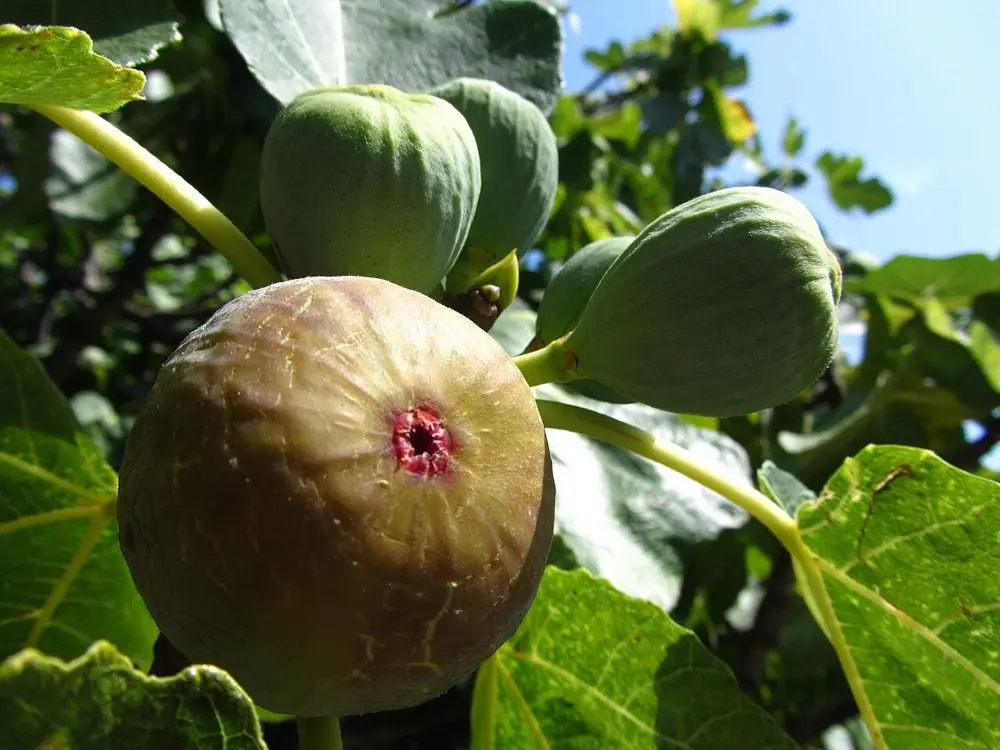
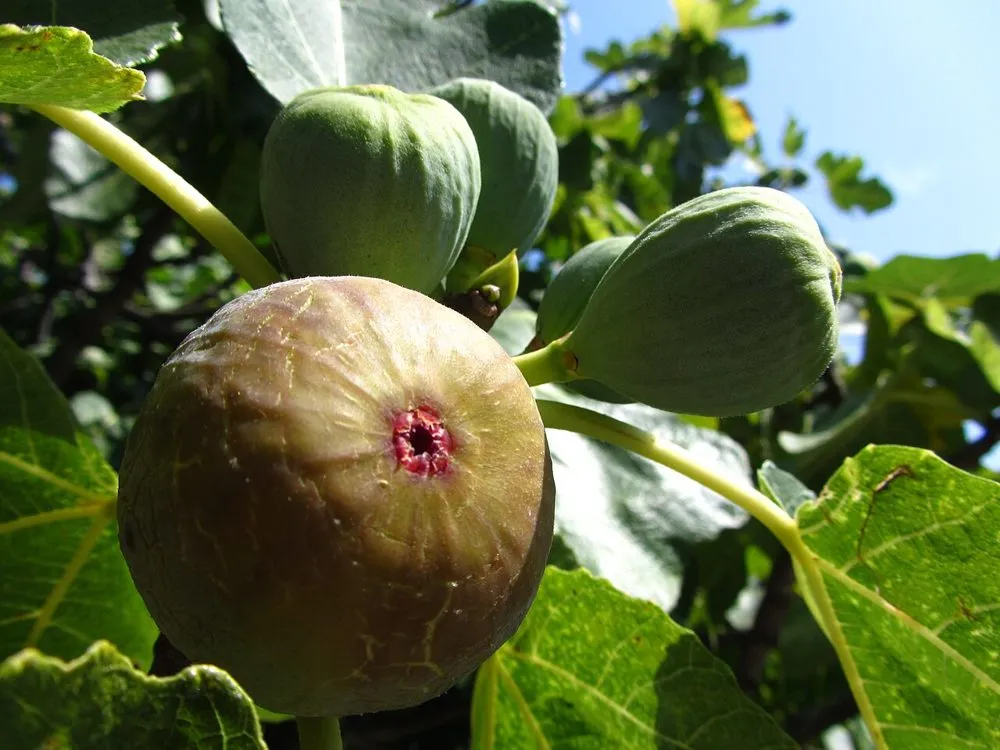
- Fig Tree: Once established after its first two summers, the fig thrives on minimal water and chalky coastal soil. Because it develops a wide canopy and vigorous roots, plant it at least 4–5 metres clear of walls and pipework.
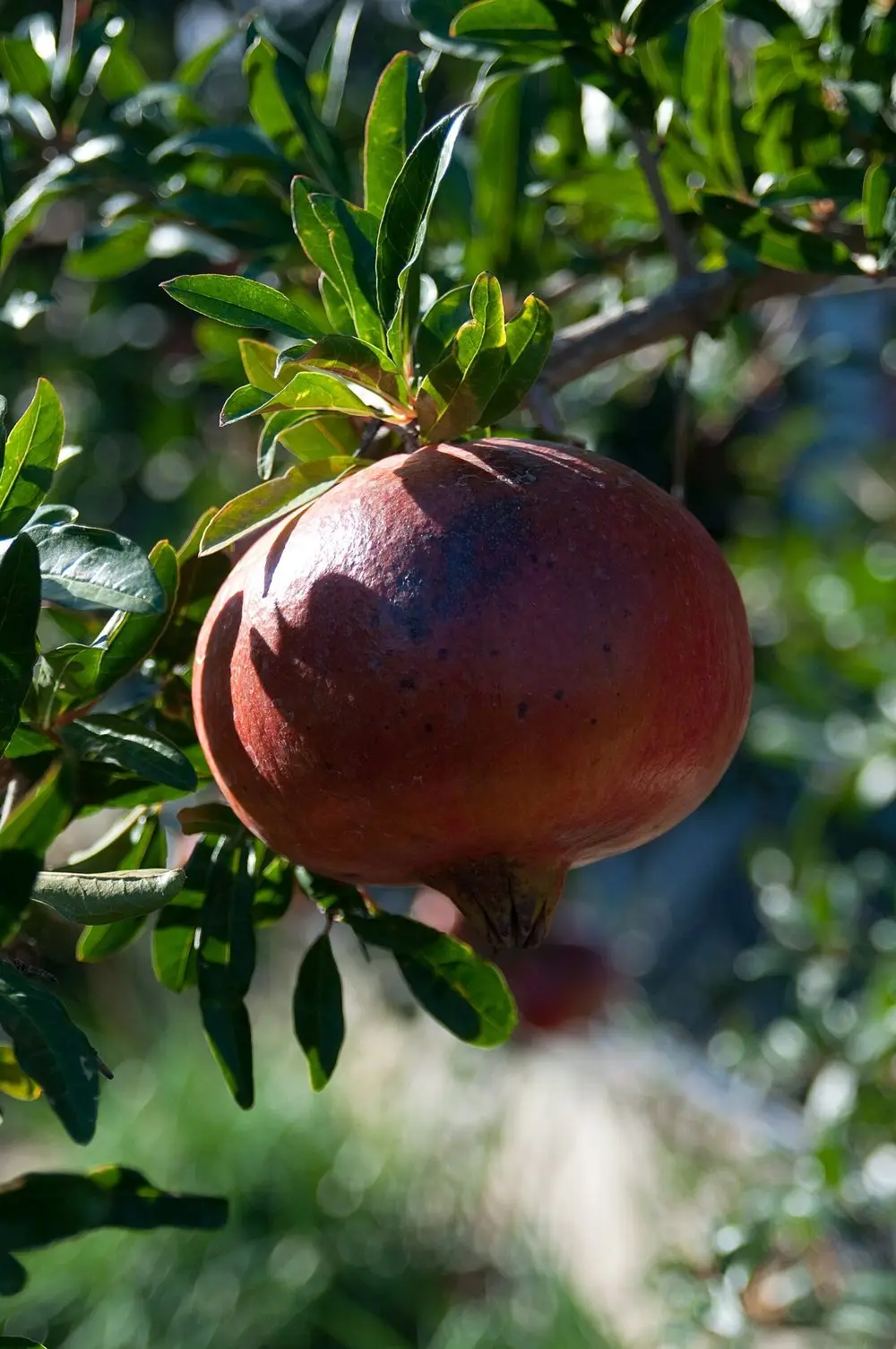
- Pomegranate Tree: Valued as much for its fiery orange-red early-summer blossoms as for its autumn harvest.
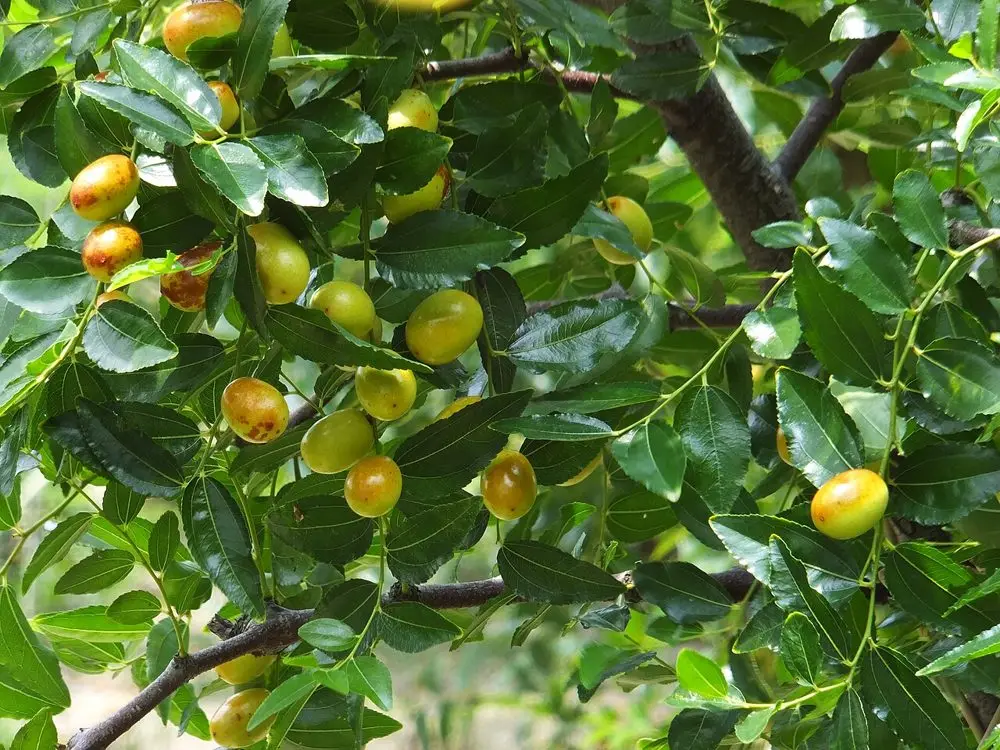
- Jujube Tree: Exceptionally pest-free, drought-hardy and reliable without chemical spraying.
2. Spring blossom and summer harvests: Plum, Apricot, Cherry and Mulberry
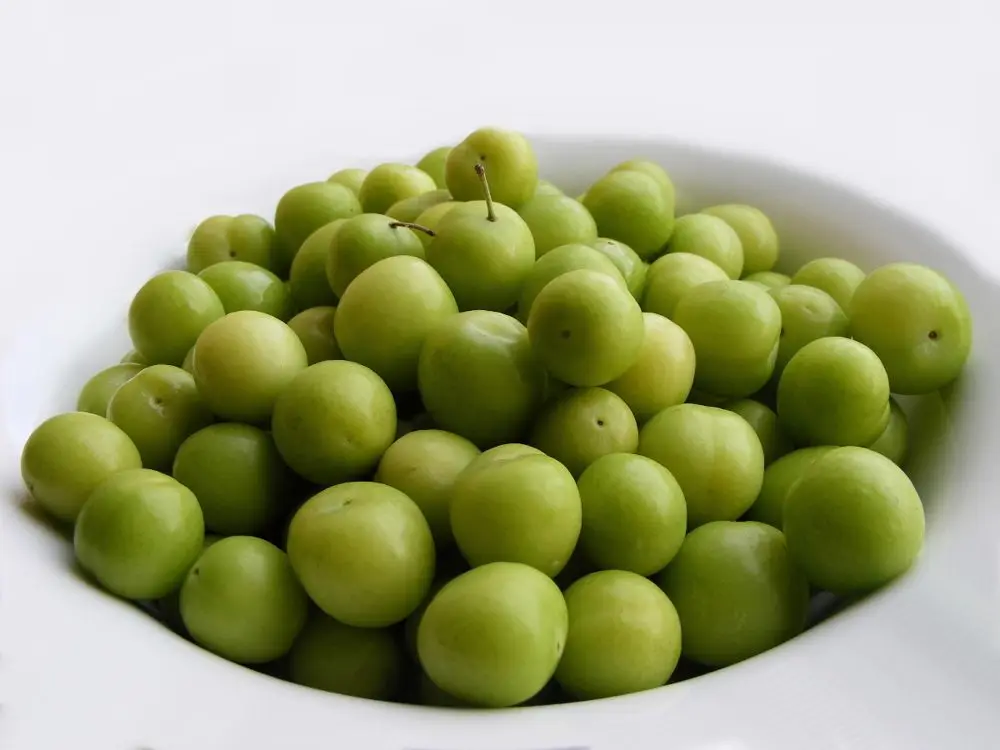
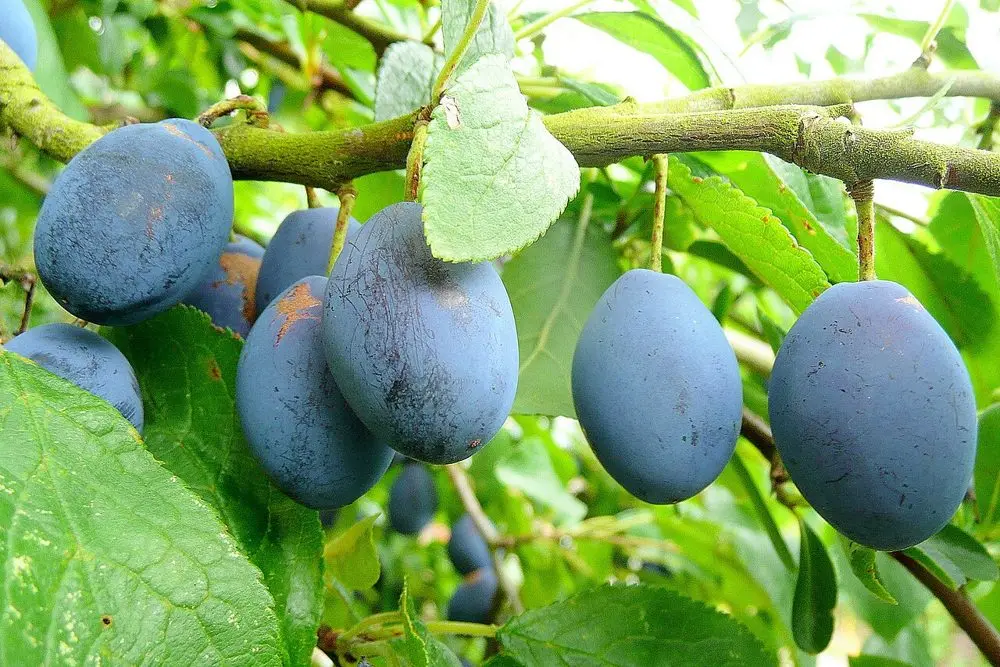
- Green Plum ‘Papaz’ and Damson Plum: Green ‘Papaz’ plums open the harvest in late spring with crisp, tangy fruit, while damson plums ripen in late August.
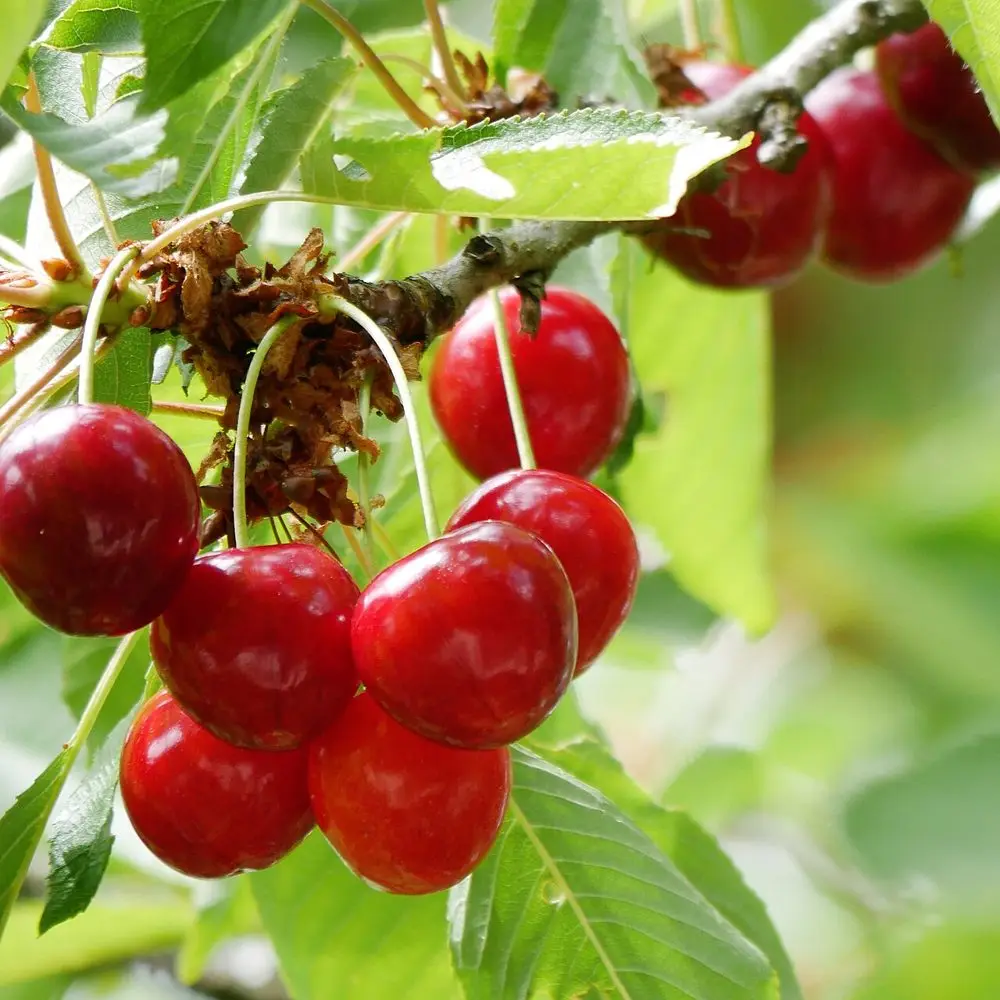
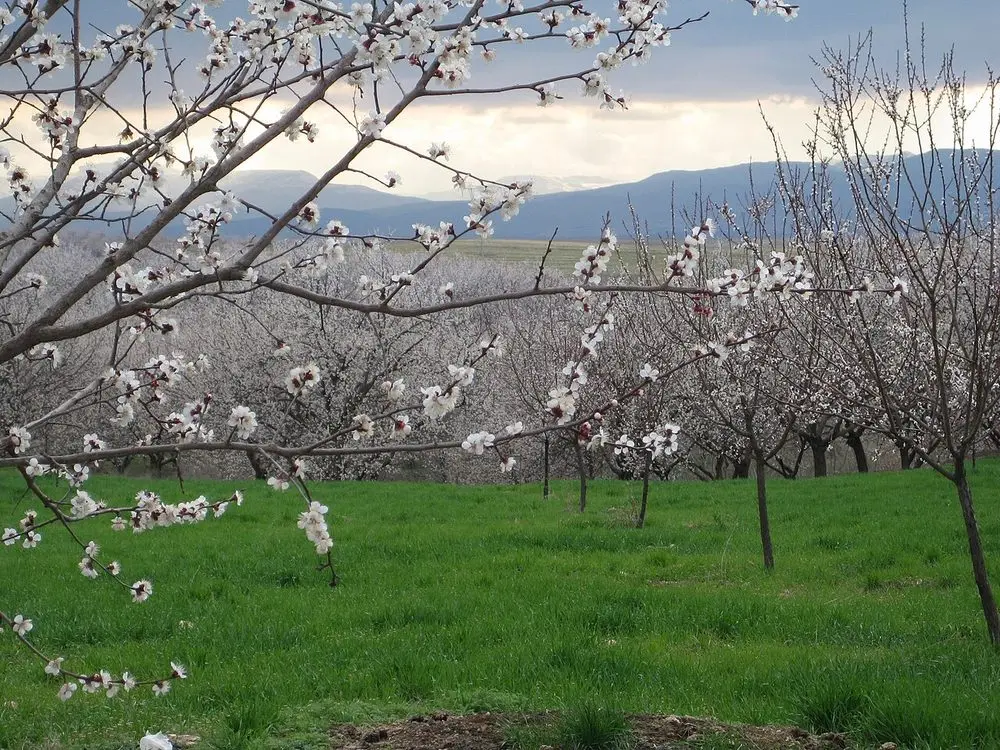
- Apricot and Sweet Cherry: Best planted on sunny, well-drained ground with good air circulation.
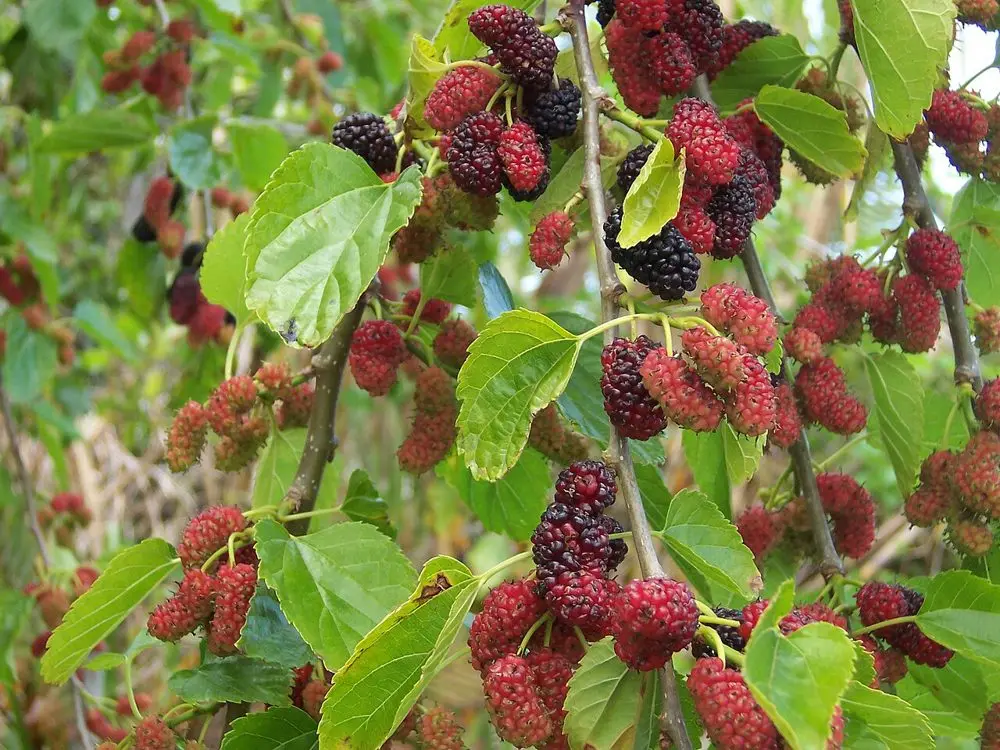
- Mulberry Tree: Doubles as a generous shade tree over summer seating areas.
3. Evergreen winter colour: Mandarin and Orange
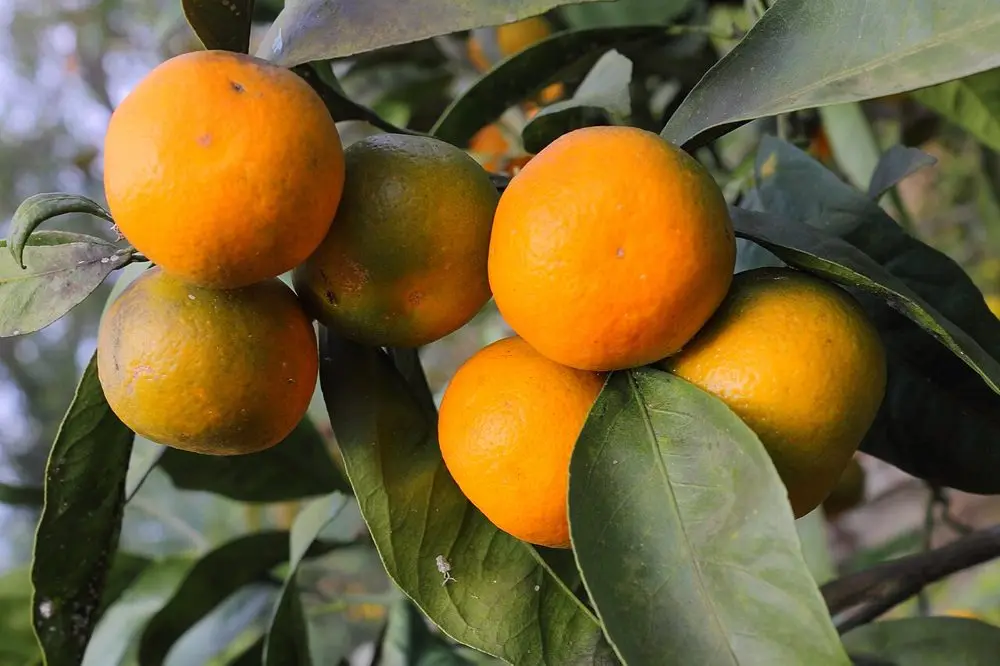
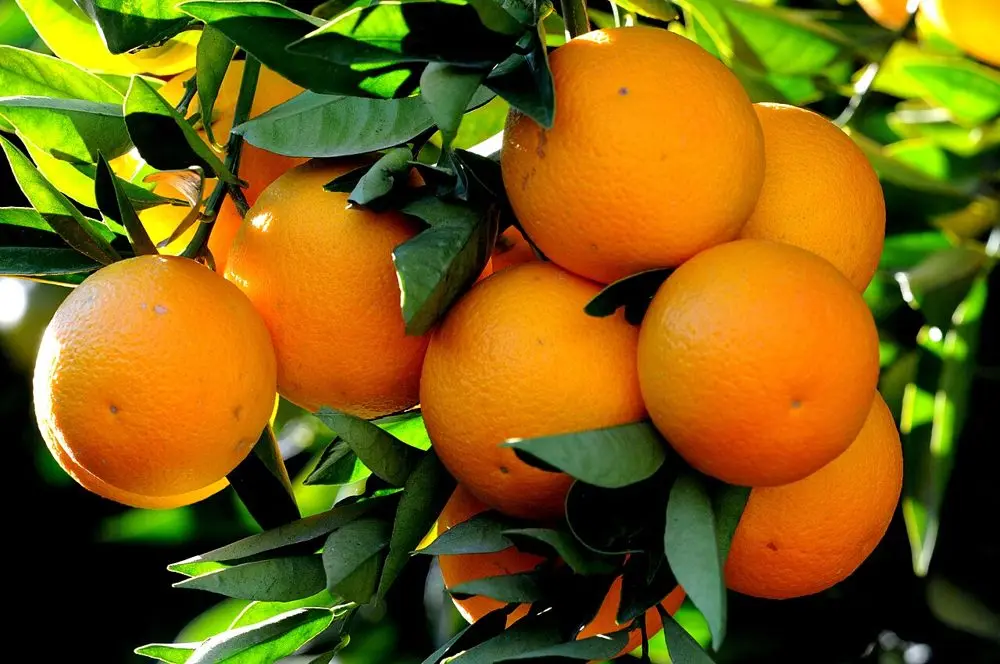
- Mandarin and Orange Trees: Glossy evergreen foliage, intensely fragrant spring blossom and bright winter fruit. Plant them in a sunny spot sheltered from cold north-easterly winds.
Four keys to successful fruit tree planting
- Keep the graft union above ground: Always set grafted saplings so the graft bulge sits 5–8 cm above the finished soil line.
- Enrich the backfill: Mix excavated soil with potting soil and peat plus screened composted goat manure or worm castings.
- Shape a watering basin: Form a 70–80 cm wide basin around the trunk and water deeply right after planting to settle air pockets.
- Feed and prune in late winter: Apply composted organic manure around the drip line in February–March and open the centre of the crown so sunlight reaches the fruiting wood.
Visit our Ayvalık nursery to choose container-grown grafted saplings in person, or explore our fruit tree collection.