GARDEN GUIDE
A guide to growing lemons in pots
Choosing the variety, pot and soil for a lemon on a balcony or terrace, plus watering, feeding and frost protection through a North Aegean winter.
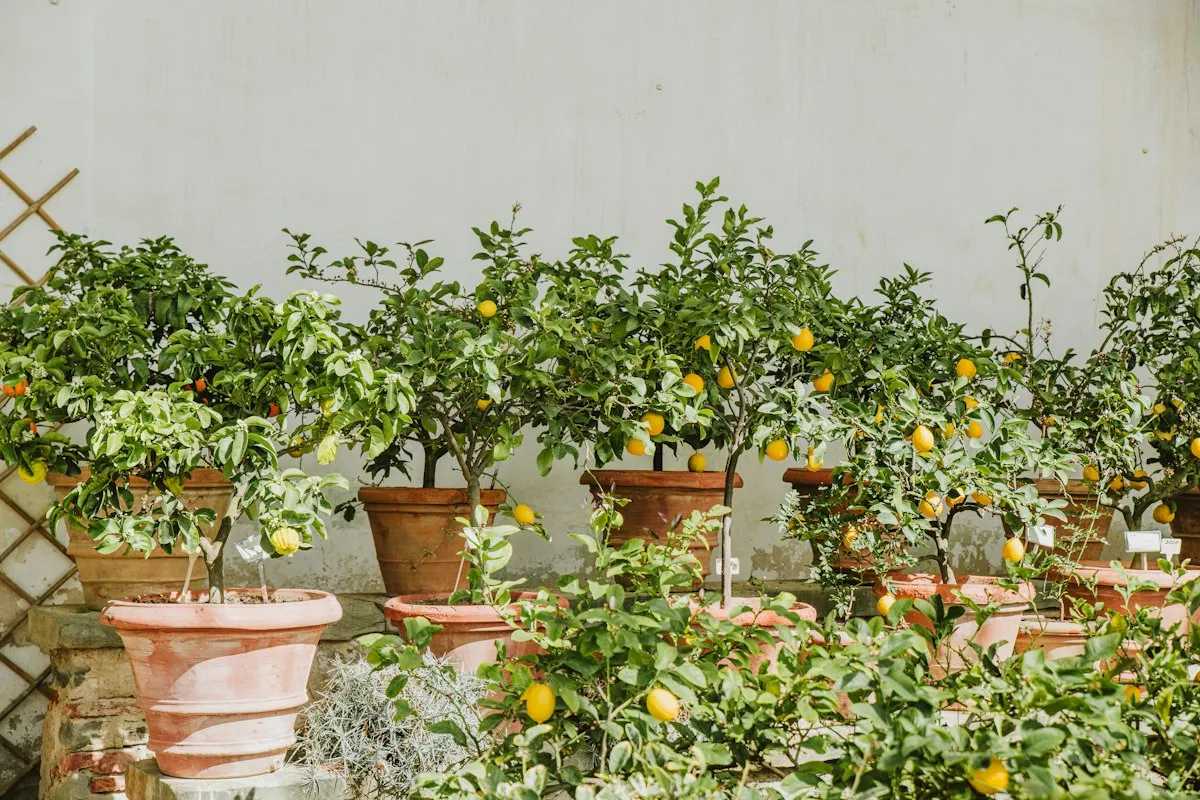
Even without a garden, a balcony or terrace can host a lemon tree with its fragrant flowers and yellow fruit. Ayvalık’s sunny summers and mild winters suit a potted lemon well. Still, a tree in a pot depends entirely on you, unlike one planted in the ground: you provide its water, its food and its winter protection. Here is what you need to know for a successful potted lemon.
Choose the right variety
Varieties that stay compact and start fruiting early suit pots best.
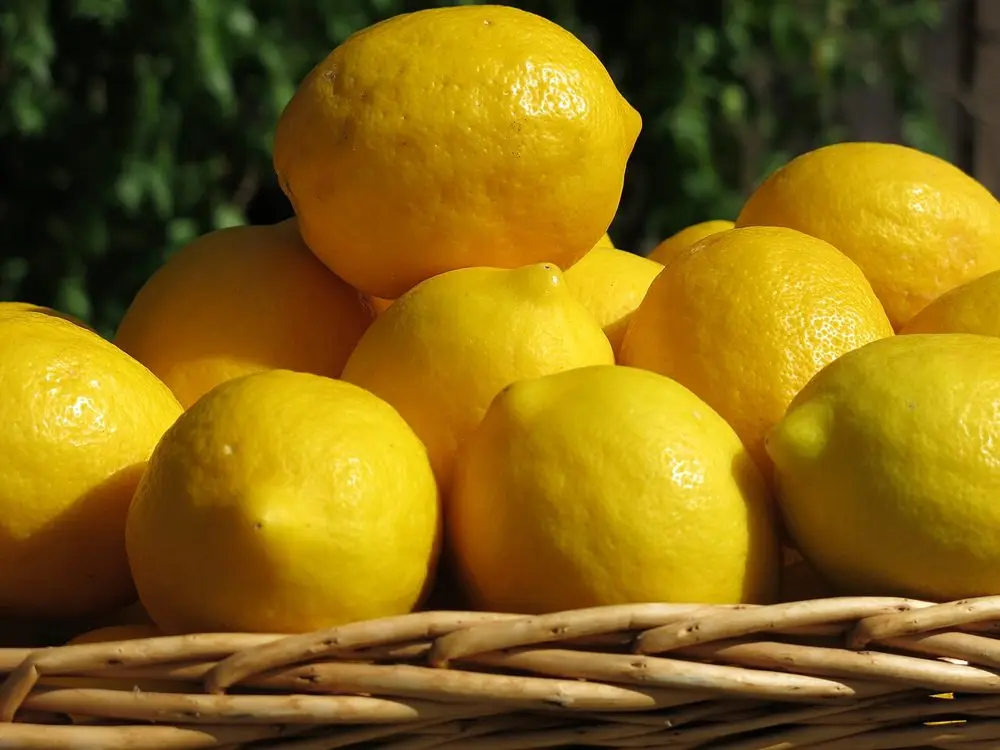
- Meyer lemon: Thought to be a cross between a lemon and a mandarin. It bears thin-skinned, juicy and less sour fruit. It stays small and is a little more cold-tolerant than classic lemons.
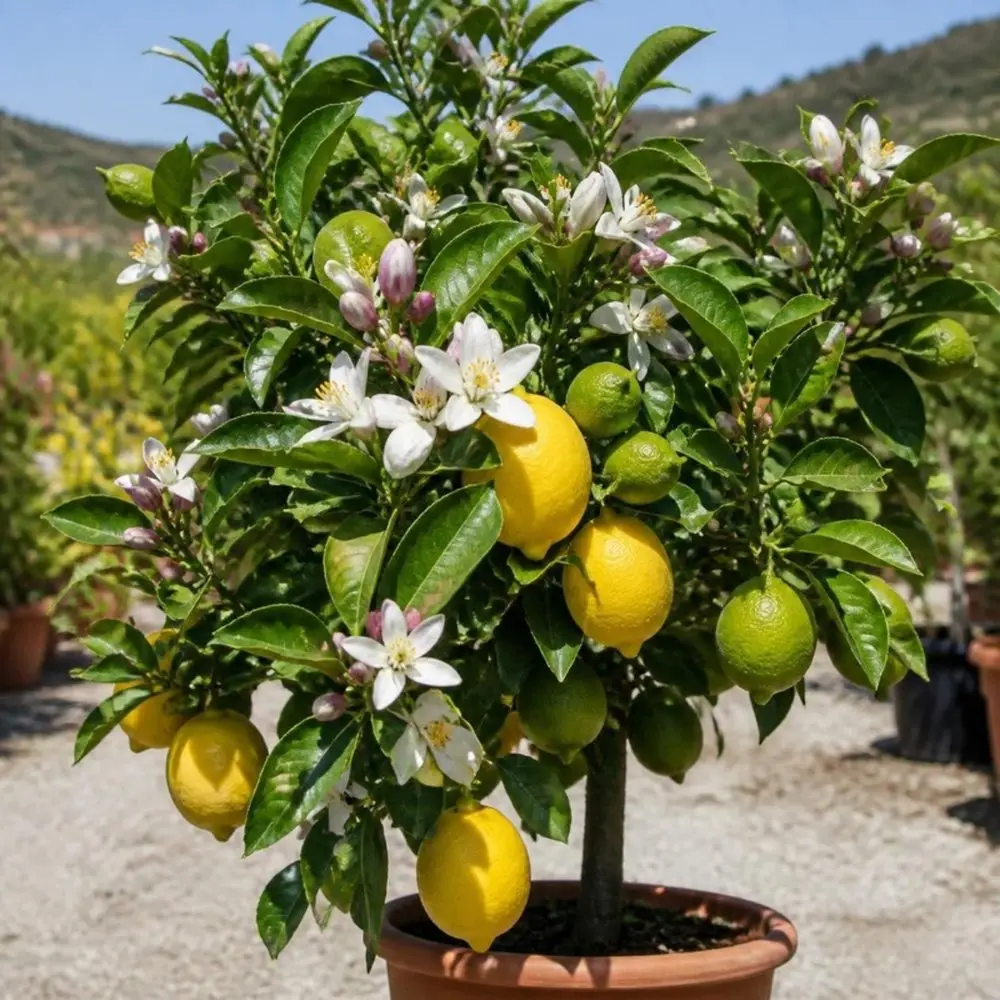
- Yediveren (everbearing) lemon: Its Turkish name refers to its ability to flower and set fruit several times a year. You can often see flowers and ripe fruit on the branches at the same time.
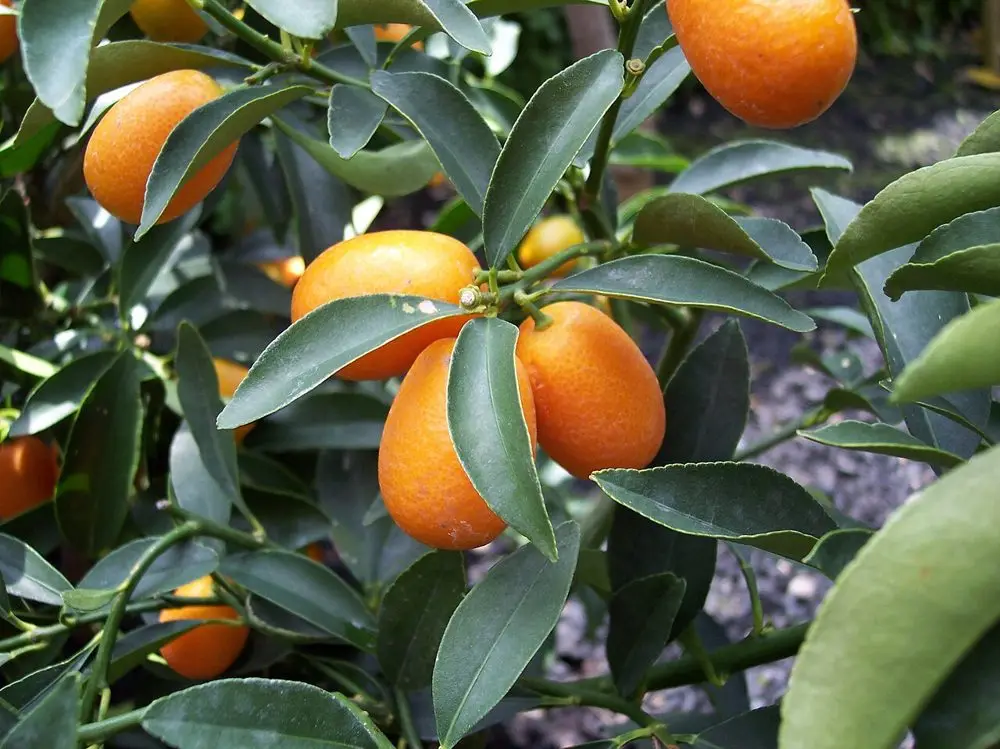
- Kumquat: Not a lemon, but a citrus with small orange fruit that grows very well in a pot.
Pot and soil
The pot must have drainage holes in the bottom. Plant the sapling in a pot one or two sizes larger than its current root ball. A very large pot may look like a good idea at first, but the soil the roots do not reach stays wet for a long time and leads to root rot.
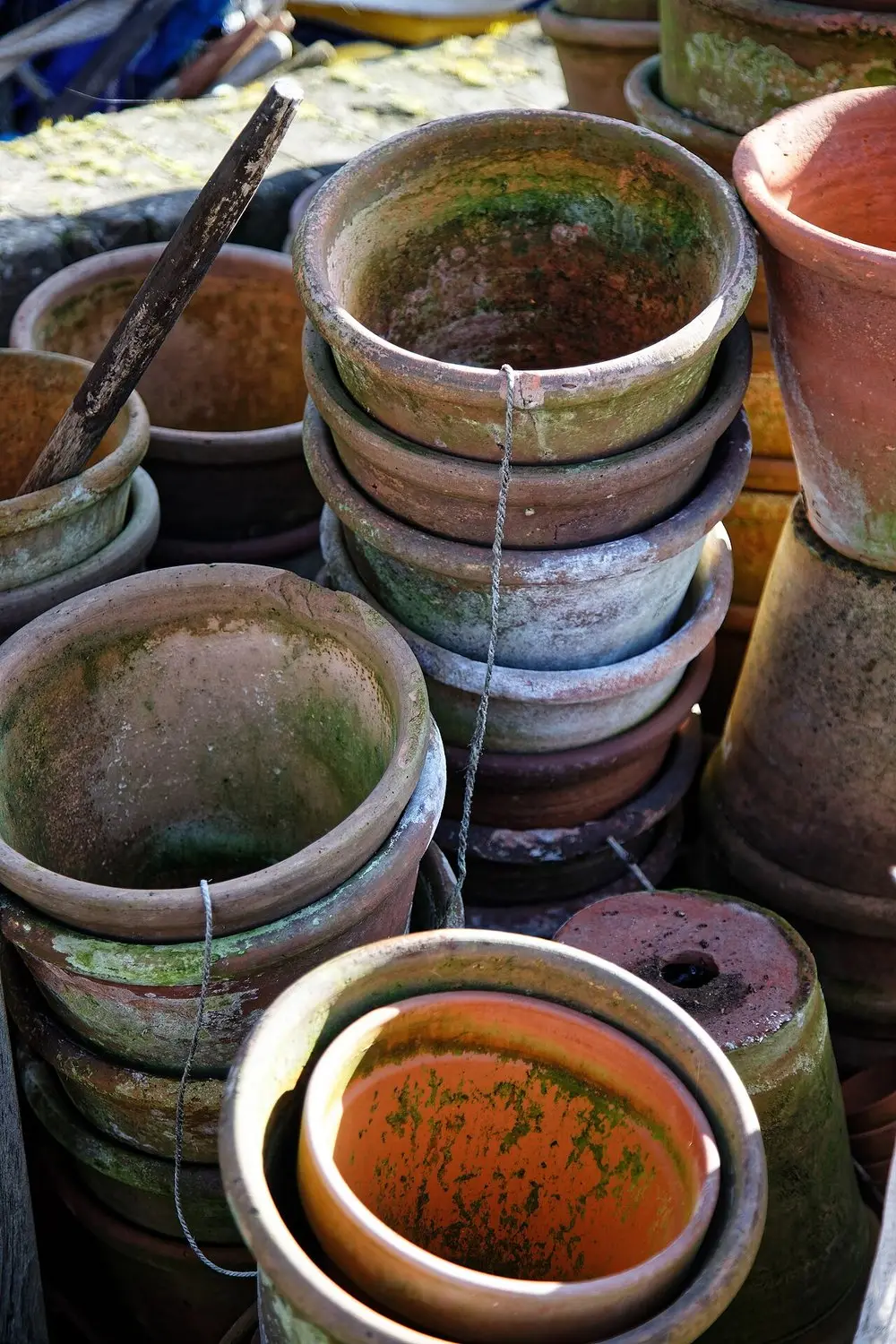
Terracotta pots breathe and let excess moisture out, but dry out faster in summer. Plastic pots are light and hold moisture longer. Both can be used; you just need to adjust watering to your pot.
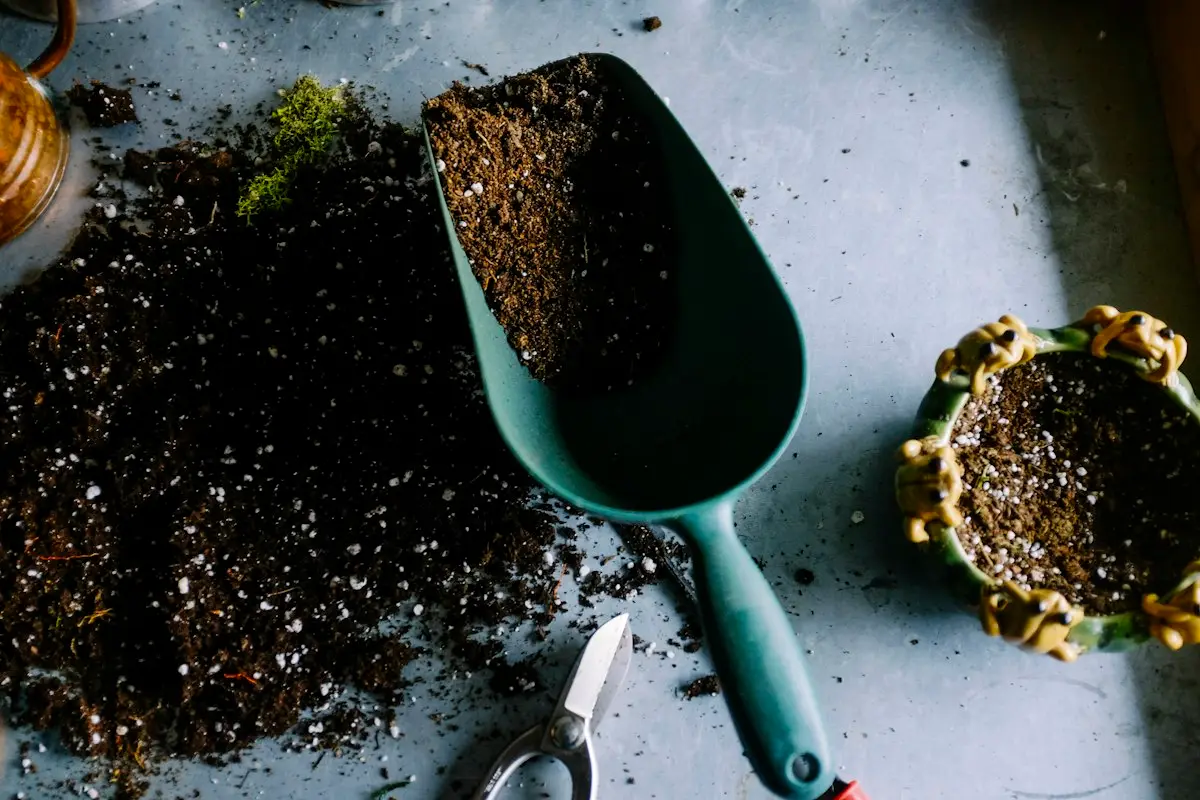
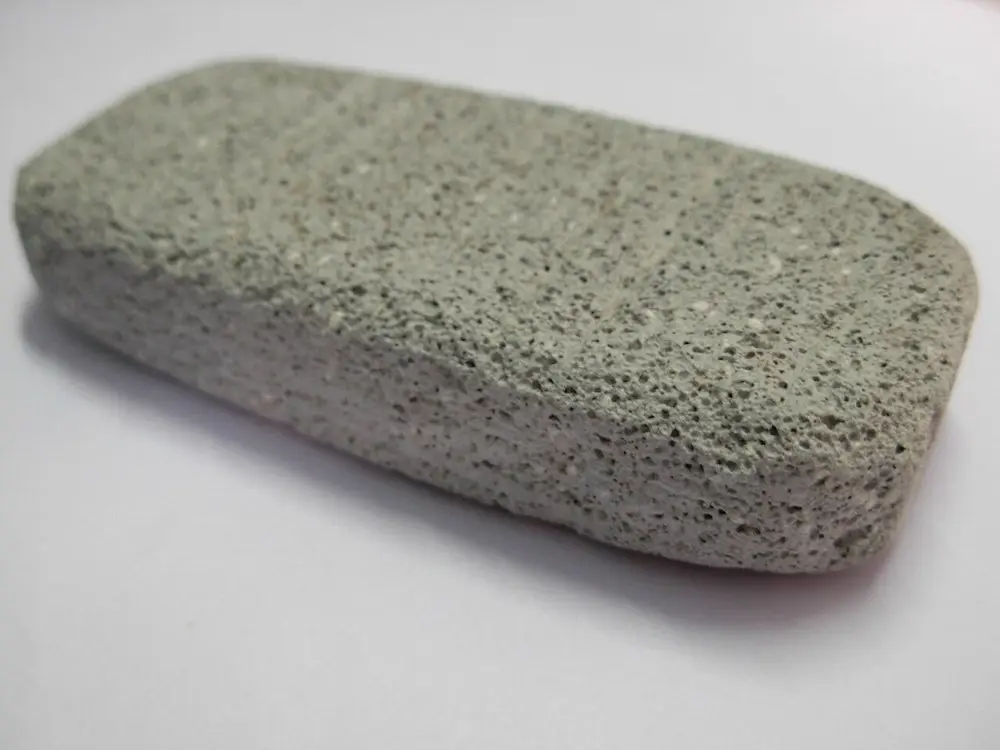
Citrus likes a free-draining, slightly acidic soil. Mixing a good-quality potting soil with about one quarter pumice or perlite is a good start. Do not use heavy, clay garden soil. Putting a layer of gravel at the bottom of the pot is a common habit, but it does not improve drainage; mixing the drainage material through all of the soil works better.
Move the lemon into a pot one size larger every two or three years, in spring. If you do not want a bigger pot, you can lightly trim the roots and renew part of the soil.
Light and position
Lemons love sun: a south- or west-facing corner with at least six hours of direct sun a day is ideal. In poor light, flowering and fruiting fall off. In the heat of July and August in Ayvalık, the real problem is less the leaves than the pot itself heating up. Do not leave dark pots in direct sun; setting the pot inside another pot or lining low plants up in front of it keeps the roots cool. Young saplings benefit from light shade in the hottest afternoon hours.
Watering
The most common problem for a potted lemon is irregular watering.
- When you water, give plenty, until water runs out of the holes at the bottom of the pot.
- Water again when the top 2–3 centimetres of soil have dried. Checking with your finger is the most reliable way.
- In summer heat, small pots may need water every day or every other day. In winter the need drops sharply; sometimes no watering is needed for weeks.
- Do not leave water standing in the saucer. Roots sitting in water rot.
Leaves yellowing and falling usually come from too much water, while sudden leaf drop usually comes from sudden drought or a change in temperature.
Feeding
Citrus is a hungry plant, and nutrients in a pot are quickly washed out by watering. During the growing season, roughly March to September, feed regularly with a fertiliser made for citrus, following the instructions on the pack. Pause feeding in winter.
Young leaves turning yellow between the veins while the veins stay green usually point to iron deficiency. It is common in pots watered with hard, chalky water; a supplement containing chelated iron usually solves it.
Winter protection
Ayvalık’s winter is usually mild, but light frosts lasting a few nights can occur. Lemons are among the most frost-sensitive citrus. On nights when frost is expected:
- Move the pot to the foot of a house wall, under the eaves or a porch roof.
- If needed, cover the plant overnight with frost fleece (garden fleece). Do not use plastic sheeting in direct contact with the leaves.
- Keep the soil in the pot on the dry side; wet roots suffer more from cold.
If you bring the plant indoors for the winter, choose a bright, cool spot, not next to a radiator or stove. When moving it back outside in spring, harden it off by keeping it in partial shade for a few days; otherwise the leaves can scorch in the sun.
Pruning and health
Lemons do not need much pruning. In spring, remove dead and crossing branches and thin the centre of the crown to let air in. Cut off any shoots coming from below the graft union straight away; they come from the rootstock and weaken the tree.
Young trees naturally drop some of the small fruit they set; this is normal. Check the undersides of the leaves now and then: aphids, scale insects, mealybugs and, in hot, dry weather, red spider mites can appear. Curling, silvery trails on new shoots point to citrus leaf miner. Most pests caught early can be kept in check with simple measures such as washing the leaves with water.