GARDEN GUIDE
10 plants for a drought-tolerant Aegean garden
Ten plants that need little water and cope with the hot, dry Aegean summer, plus the basic principles of a water-wise garden.
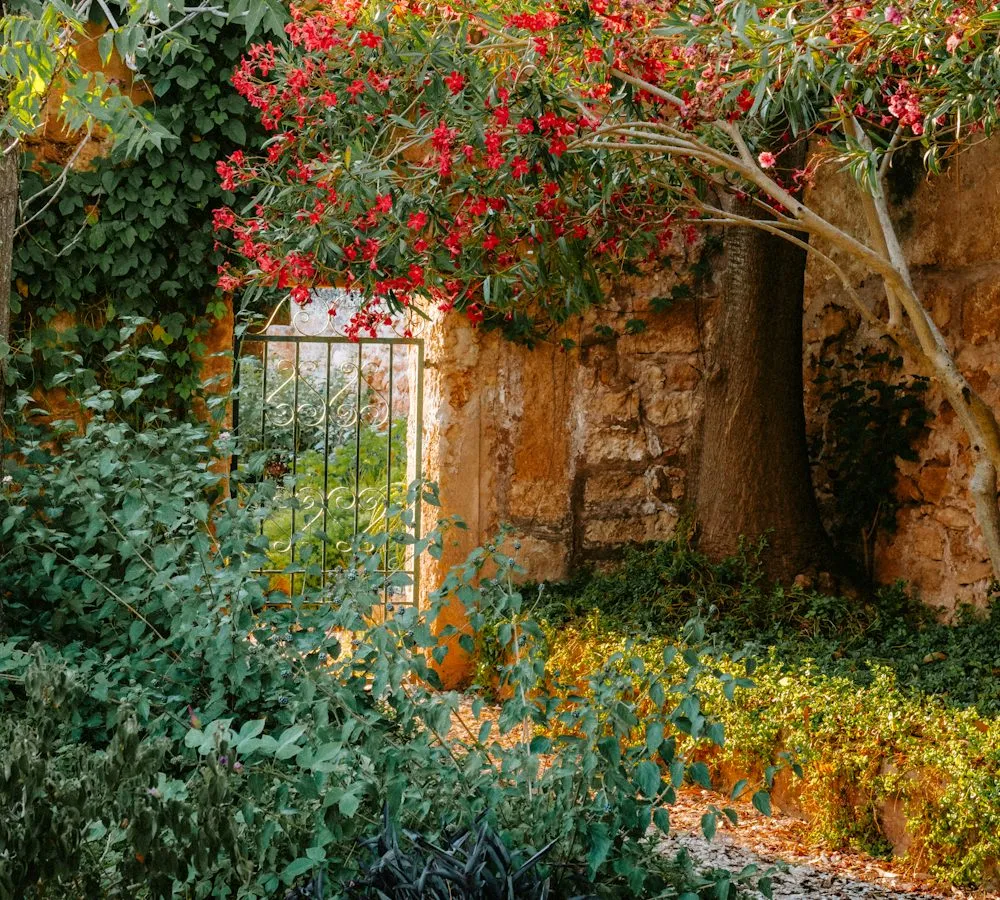
On the Aegean coast, summers are long, hot and almost rainless. The water spent every year keeping a lawn green strains both your budget and the region’s water supply. Yet the Mediterranean’s own plants, and many species from similar climates, stay lively all summer on very little water once their roots are established. Below you will find ten plants that can be safely recommended for gardens in and around Ayvalık, along with the basic rules of a water-wise garden.
A few basic rules first
- “Drought-tolerant” applies once the roots are established. Every new planting needs regular, deep watering for its first one or two summers. After that, the gaps between waterings can grow.
- Plant in autumn. With planting from late October onwards, the winter rains help root growth and the plant goes into its first summer strong.
- Drainage matters more than water. Most Mediterranean plants are harmed not by summer drought but by soil that stays wet and airless in winter. On heavy soil, raised beds or added gravel help.
- Group plants by water need. Keep the thrifty ones together and those that need more in a separate corner. That way no plant gets more or less water than it should.
- Use drip irrigation and mulch. Drip irrigation delivers water straight to the roots; gravel or bark mulch cuts evaporation and keeps the soil cool.
1. Lavender
With its silvery leaves, purple spikes and scent, it is the classic of the Mediterranean garden. It needs full sun and free-draining, even poor, soil. The most common mistakes are overwatering and rich soil. After flowering, trim the bush into a rounded shape, but do not cut back into the bare old wood; lavender is slow to regrow from it.
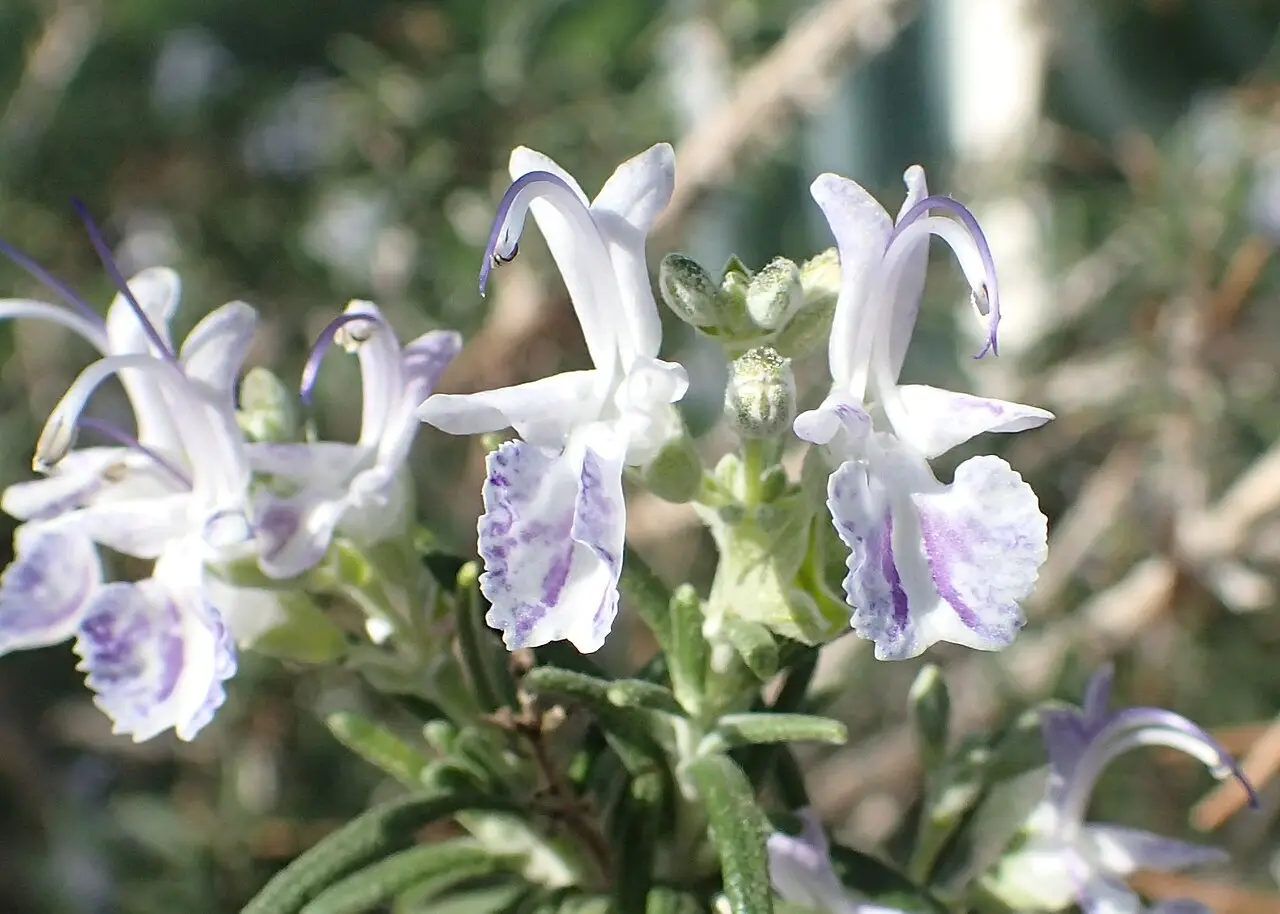
2. Rosemary
An evergreen, tough shrub. Upright forms can be used as a low hedge, and trailing forms to cover walls and banks. Its blue flowers, which open in late winter and spring, draw bees, and the leaves are used in the kitchen. It copes well with coastal wind and dry soil.
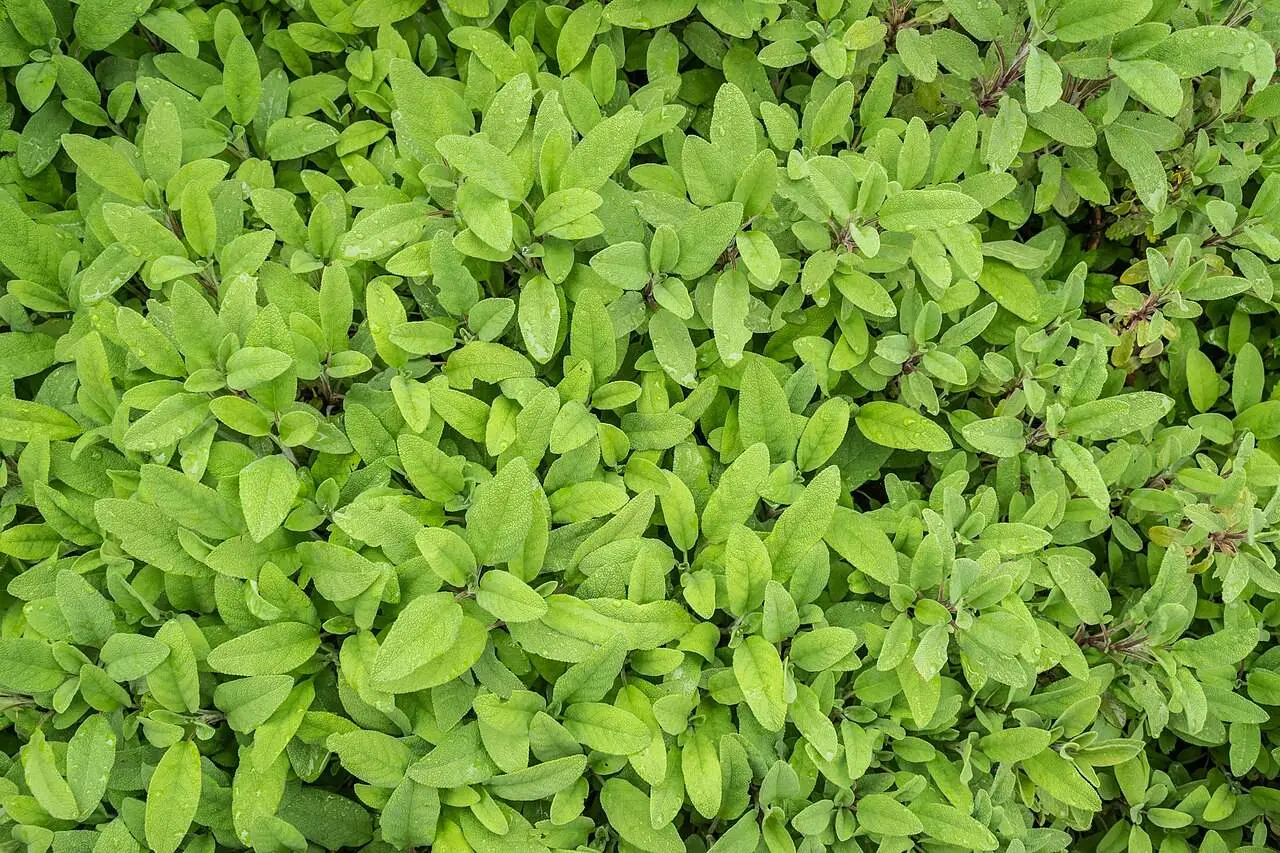
3. Sage
With its grey-green, velvety leaves it is both an ornamental and a kitchen plant. It wants a sunny, free-draining spot and gets by on very little water in summer. A light trim in spring keeps it compact and bushy. Wild sage species also grow naturally in Anatolia and on the Aegean islands.
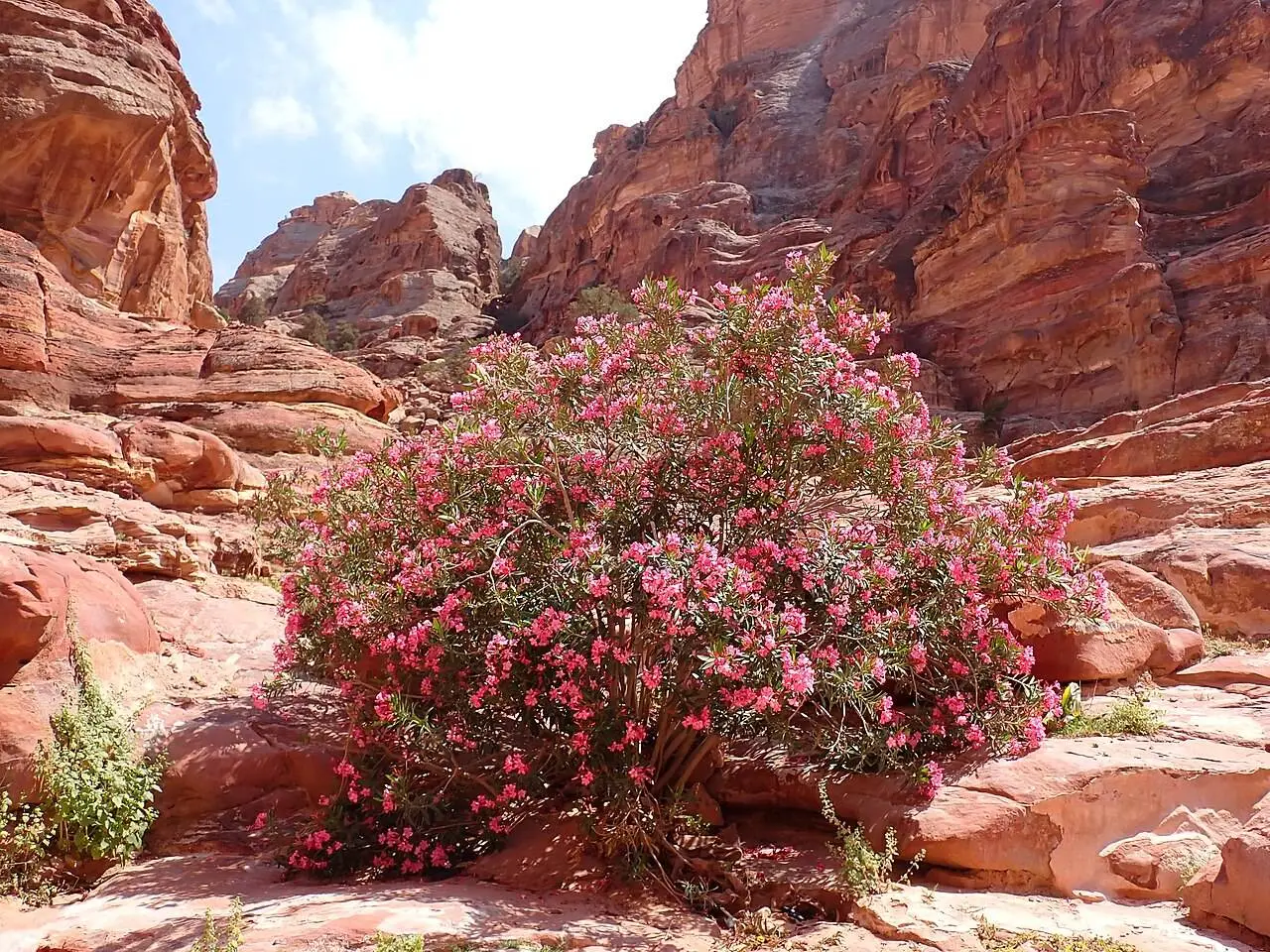
4. Oleander
One of the shrubs most resistant to heat, drought, wind and salty sea air; it flowers white, pink or red all summer long. It can be grown as a hedge, a screen or a single small tree. An important warning: all parts of the plant are poisonous. Keep it away from areas where children and pets often play, wear gloves when pruning, and do not burn the clippings.
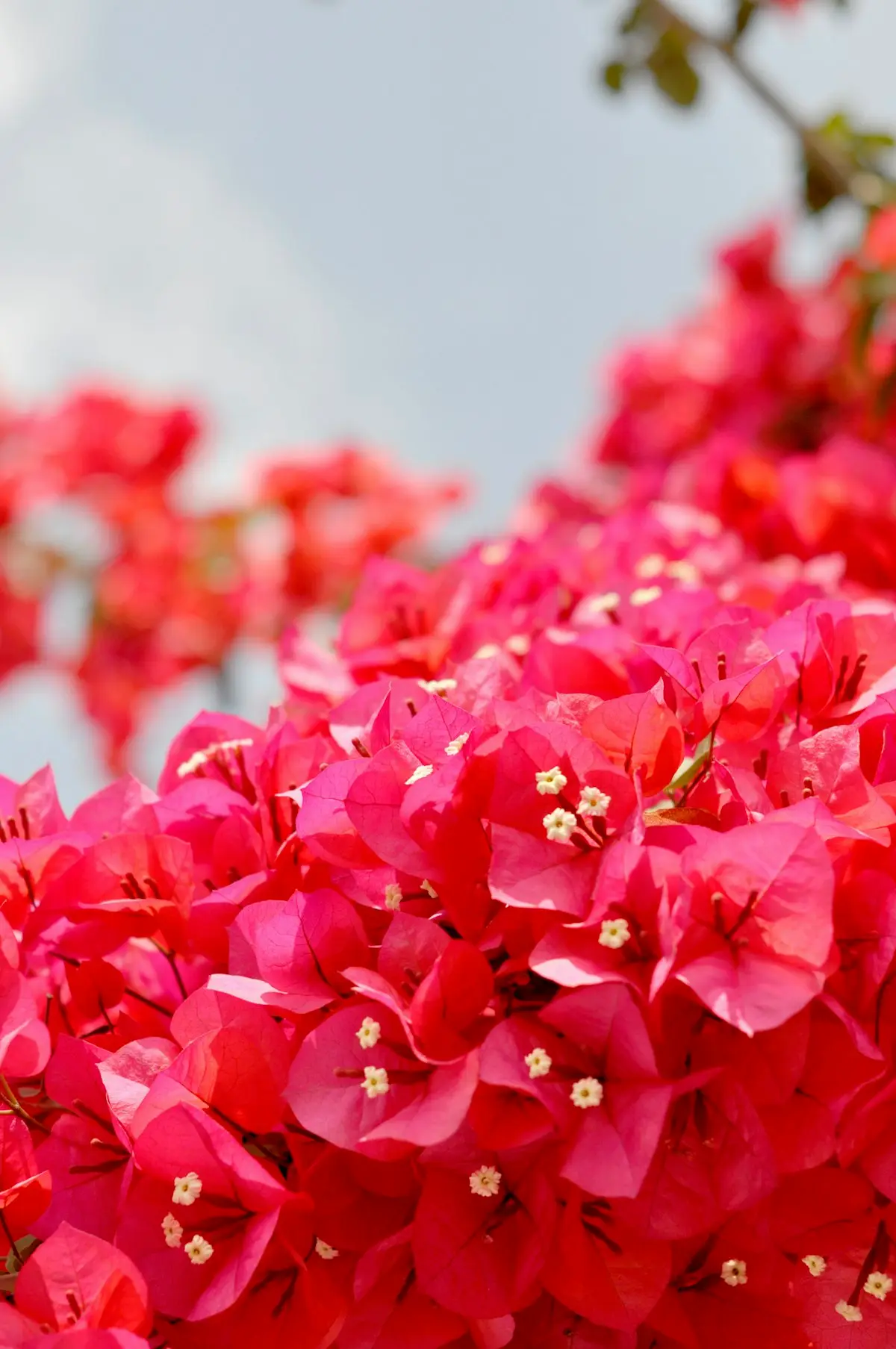
5. Bougainvillea
One of the colours of the Aegean summer. Once established it needs little water; too much water and fertiliser give leaves instead of flowers. It is frost-sensitive: in Ayvalık its best spot is at the foot of a south-facing wall, sheltered from the wind. In a hard frost it may drop its leaves or its shoot tips may be damaged. Its roots are delicate, so do not break up the root ball when planting.
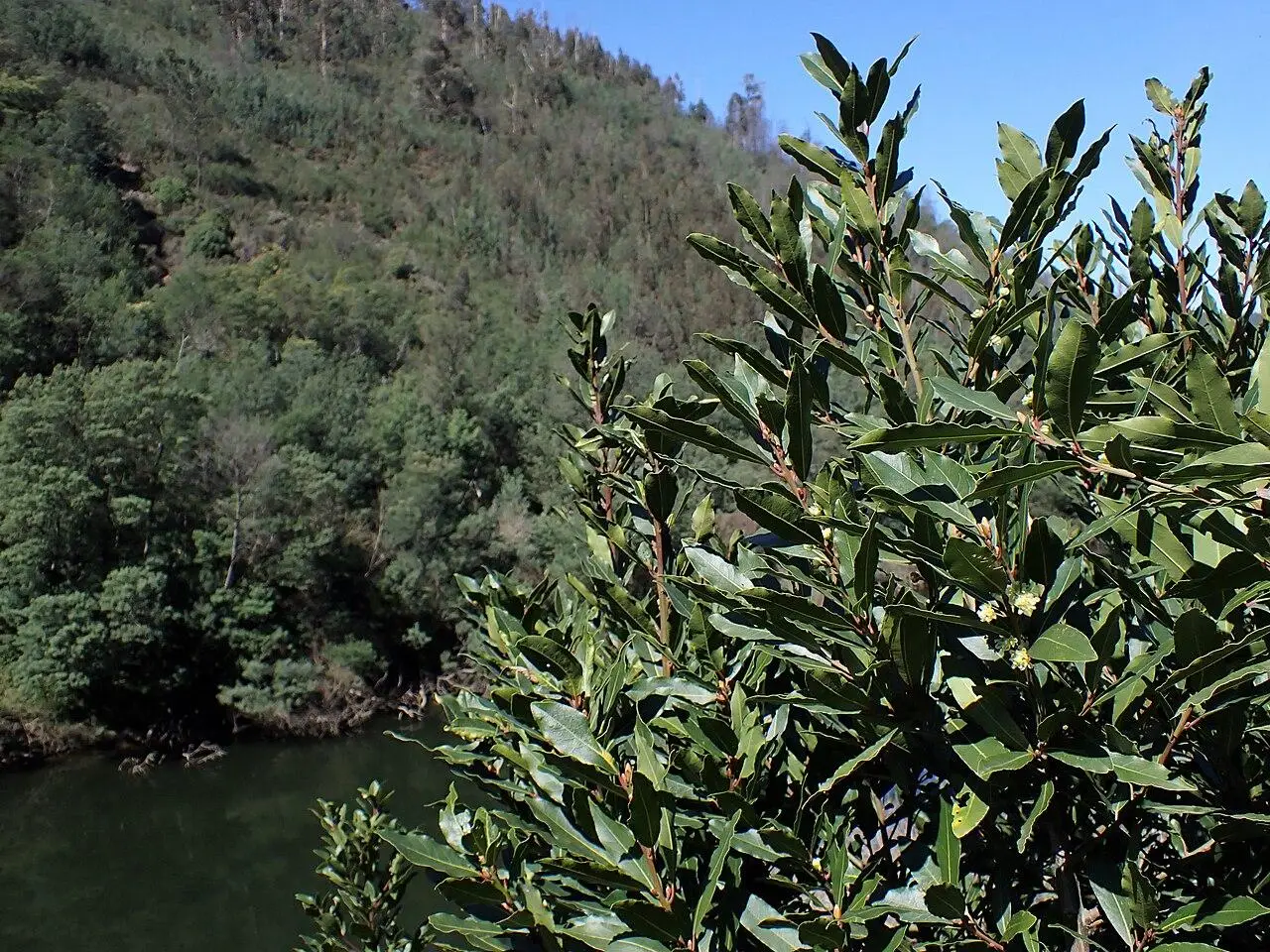
6. Bay laurel
A native plant of the region. With its dense, dark green leaves it can be clipped as a hedge, or left to grow freely into a small tree. It adapts to both sun and partial shade and is drought-tolerant once established. The leaves are used in the kitchen.
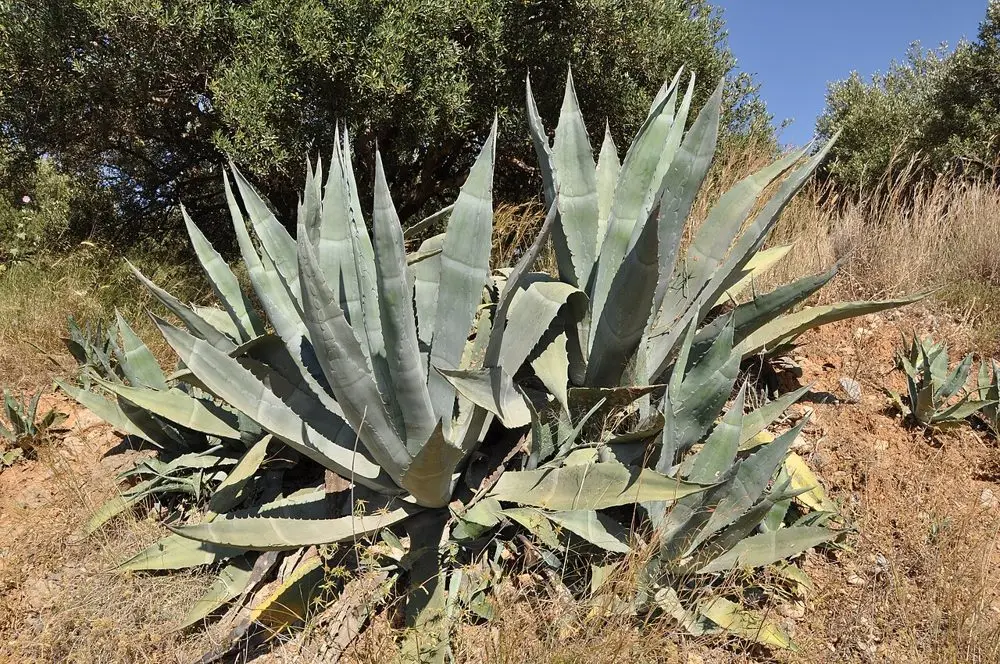
7. Agave
With its large, fleshy rosette of leaves, it makes a strong architectural accent in a dry garden. It needs almost no watering but very good drainage; in wet winter soil it can rot. The leaf tips are sharp and spiny, so do not plant it beside paths or seating areas. The main rosette flowers after many years and then dies; by then the offsets growing at its base take its place.
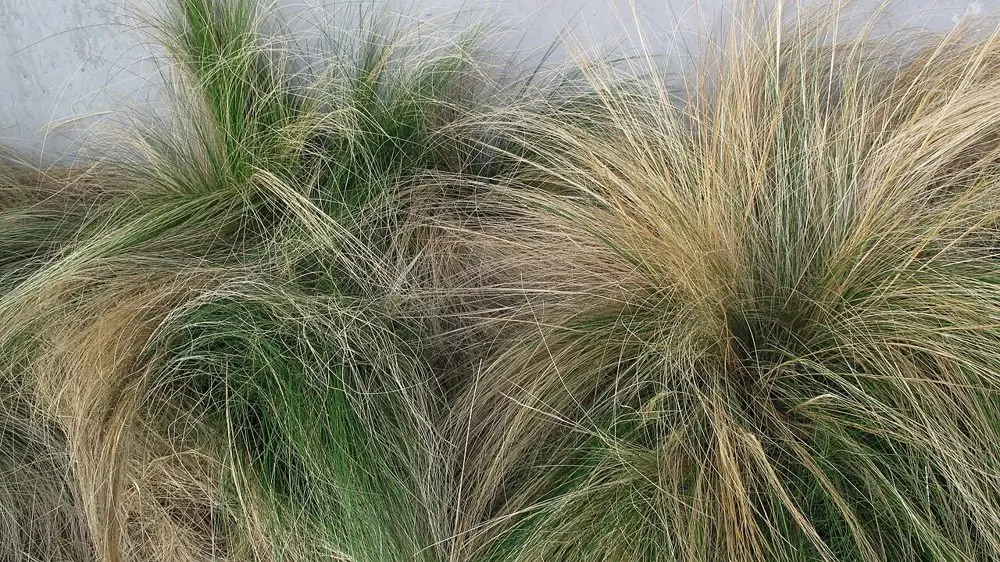
8. Stipa (Mexican feather grass)
Its fine, silky leaves sway in the slightest breeze and bring movement to the garden. It likes sunny, poor, free-draining soil. In spring, comb out the dried leaves by hand. It can self-seed; pull up seedlings early where you do not want them.
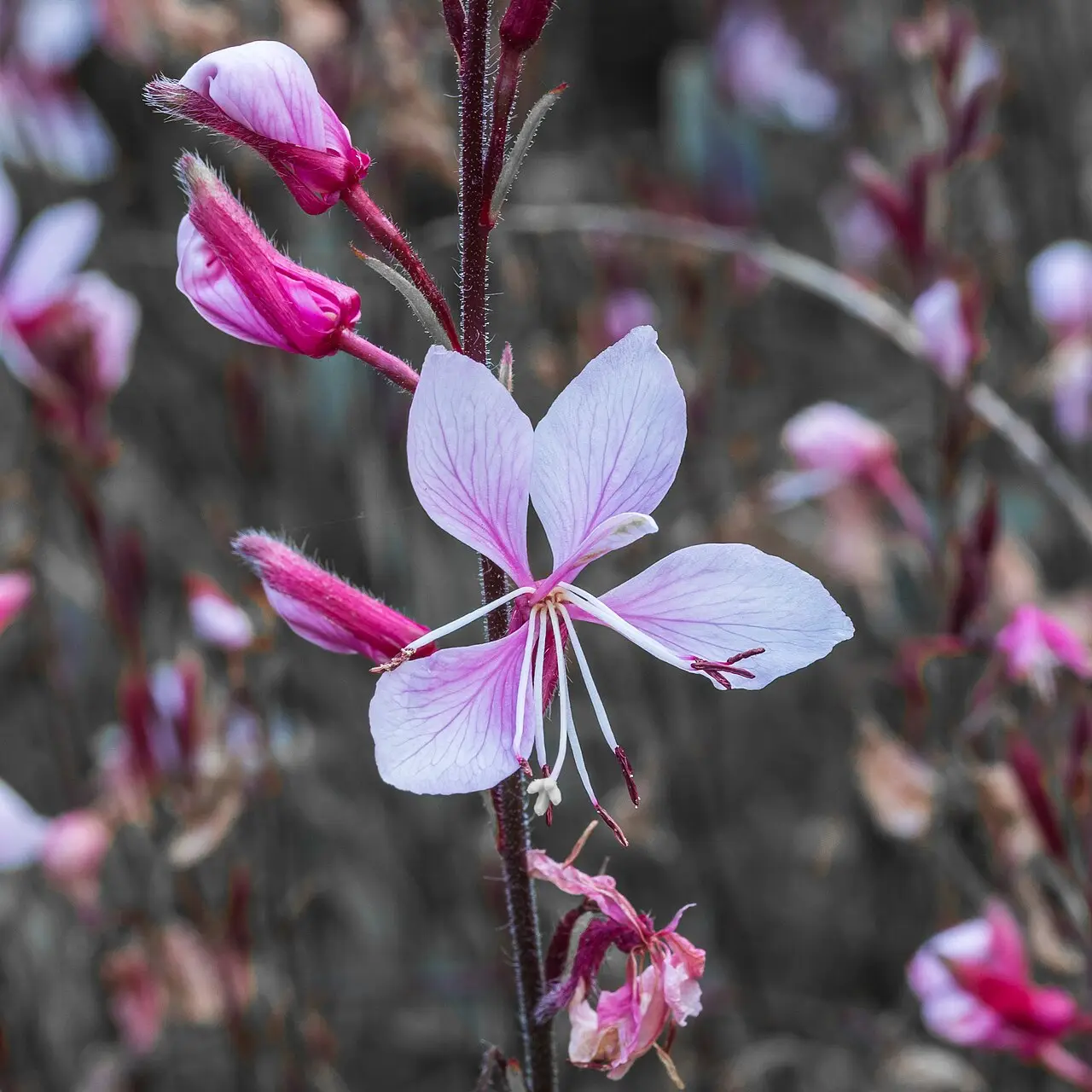
9. Gaura (butterfly gaura)
It bears white or pink flowers, poised on thin stems like butterflies, from summer into autumn. Thanks to its deep root it stands up well to dry spells. Cutting it back lightly when flowering slows down encourages a new flush. It makes a very harmonious planting together with lavender and stipa.
10. Pomegranate
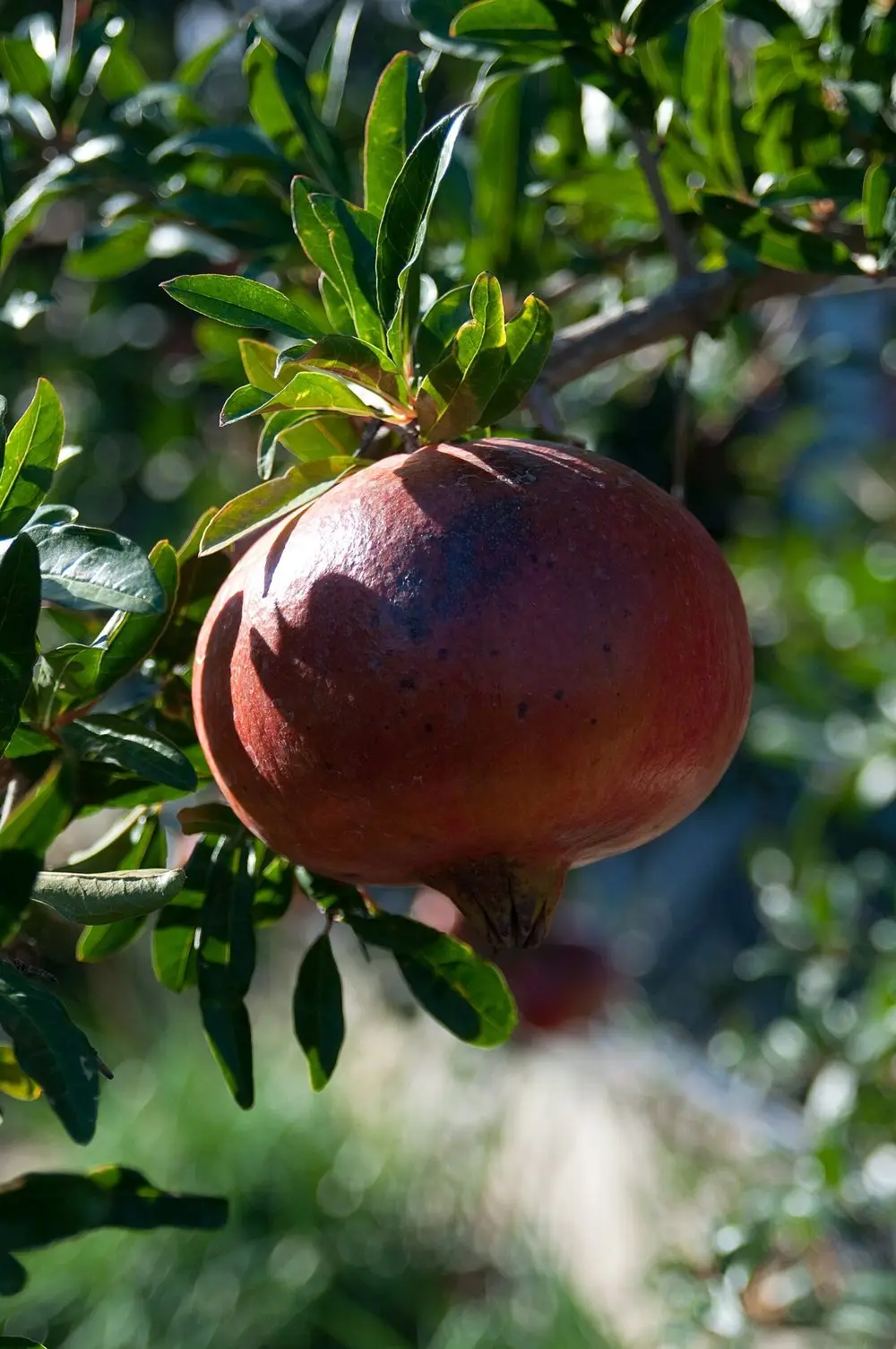
A tough, deciduous fruit tree that loves heat and drought. With its orange-red flowers in summer and its fruit in autumn, it is both an ornamental and a fruit plant. It withstands dry periods, but irregular watering while the fruit is developing can make the fruit split; keep watering steady during that time.
In short
A water-wise Aegean garden needs little care yet keeps its character all year round. Plant the right plant in the right place, in autumn; water deeply in the first summers, then trust the plants’ own resilience.